
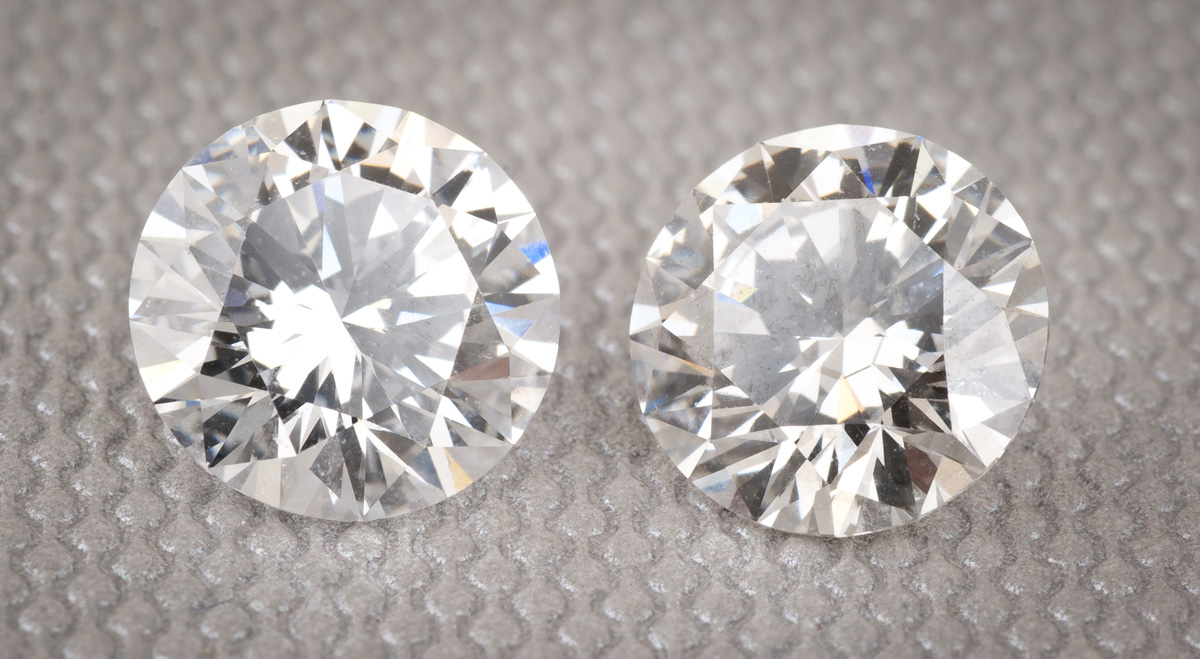
The Truth About Diamonds: Understanding Lab Made Diamonds vs Real
In recent years, consumers have become more conscious of the origins and ethics behind the products they purchase. This shift has brought increasing attention to diamonds—specifically, the conversation around lab made diamonds vs real ones. While both shine with similar beauty and sparkle, there are meaningful differences between them that influence their appeal, value, and purpose in today’s market. This article dives into those distinctions with empathy, clarity, and practical insight.
The Origin of a Diamond’s Sparkle
Real diamonds, often called natural or mined diamonds, are formed under the Earth’s surface over billions of years. Their creation involves intense heat and pressure, which transform carbon atoms into dazzling crystal structures. In contrast, lab, diamonds are made using advanced technology in controlled laboratory environments. Although their creation takes only weeks or months, they are chemically and physically nearly identical to their natural counterparts. The sparkle in each may be the same to the naked eye, but their origins tell vastly different stories.
Value Beyond the Surface
When exploring lab made diamonds vs real, it’s important to recognize that value means more than price or appearance. Real diamonds carry a legacy of natural formation and often symbolize timelessness, heritage, or even investment. Lab, diamonds, however, speak to modern values like sustainability, ethics, and technological progress. Choosing between the two is not simply a matter of cost—it’s often a deeply personal decision about what matters most to the buyer.
Environmental and Ethical Considerations
The environmental footprint of diamond mining is considerable. Extracting real diamonds can disturb ecosystems, consume large amounts of water and energy, and lead to land degradation. Moreover, in some regions, diamond mining has been linked to human rights abuses. The appeal of lab; diamonds lies in their ability to offer a conflict-free alternative. Created without harming landscapes or communities, they provide peace of mind to consumers who prioritize ethical sourcing and ecological responsibility.
Emotional Significance in Modern Times
Diamonds are often associated with milestones—engagements, weddings, anniversaries, or personal achievements. The emotional weight a diamond carries cannot be overstated. For many, a real diamond represents tradition, history, and authenticity. Yet for others, a lab-created gem is just as meaningful, especially when chosen for its alignment with modern values. The ongoing debate of lab made ;diamonds vs real is not only about gemology; it’s also about evolving ideas of love, responsibility, and what we choose to honor in our most important moments.
The Role of Innovation and Technology
One of the most compelling aspects of lab; diamonds is the cutting-edge science behind their creation. Using techniques like Chemical Vapor Deposition (CVD) or High Pressure-High Temperature (HPHT), scientists can replicate the natural formation process almost perfectly. The result is a stone that matches natural diamonds in brilliance, clarity, and hardness. This innovation has made it possible for more people to access high-quality diamonds without compromising on appearance or durability, reshaping the traditional jewelry landscape.
The Question of Investment and Longevity
While lab made; diamonds vs real can be nearly indistinguishable to the eye, their long-term value differs. Real diamonds often hold or increase in value over time and can become heirlooms passed down through generations. On the other hand, lab; diamonds currently tend to depreciate faster and may not hold the same investment potential. For some buyers, this may be a deciding factor. However, others are happy to prioritize affordability and ethical sourcing over resale value or legacy.
Perception and Social Influence
Societal attitudes toward diamonds have long been shaped by marketing, media, and culture. For decades, real diamonds were presented as the ultimate symbol of love and commitment. Today, as awareness around environmental and ethical issues grows, perceptions are shifting. Many younger consumers view lab; diamonds not as inferior, but as conscious and progressive choices. This change reflects broader trends in consumer behavior where meaning and sustainability are valued as much as tradition and status.
Customization and Creativity
Lab-created diamonds also offer exciting opportunities for personalization. Since they are more affordable, buyers can often choose larger stones or more unique cuts without exceeding their budget. This flexibility invites creativity and freedom in designing custom jewelry pieces. The conversation around lab made; diamonds vs real then becomes not only about source but about self-expression. The ability to design something beautiful and meaningful that aligns with personal ethics is a powerful incentive.
A Generational Shift in Preferences
The rise of lab diamonds is largely fueled by Millennials and Gen Z, who tend to favor transparency, sustainability, and value. These consumers are asking hard questions about where their products come from, how they are made, and who benefits from their purchase. As a result, lab-created gems are gaining ground, not just in terms of availability but in prestige. While older generations may still favor natural stones for their rarity and history, younger buyers are leading a cultural shift that places equal importance on purpose and principles.
Making the Right Choice for You
Ultimately, the decision between lab made diamonds real should come down to what aligns best with your values, priorities, and lifestyle. Both types of diamonds offer their own unique strengths. A natural diamond might carry the weight of history and serve as a lasting investment. A lab-created diamond might reflect your commitment to ethical living and innovation. Neither choice is wrong—only what feels most right to you.
Conclusion: A New Era of Diamond Ownership
Diamonds will always symbolize beauty, strength, and love. But how we define those ideals is changing. The rise of lab- diamonds marks a turning point in the jewelry industry—one that embraces innovation, ethics, and personalization. Whether you’re drawn to the timeless allure of a natural stone or the forward-thinking elegance of a lab-grown gem, what matters most is the story your diamond tells. In the end, it’s not just about the sparkle—it’s about the meaning behind the shine.