
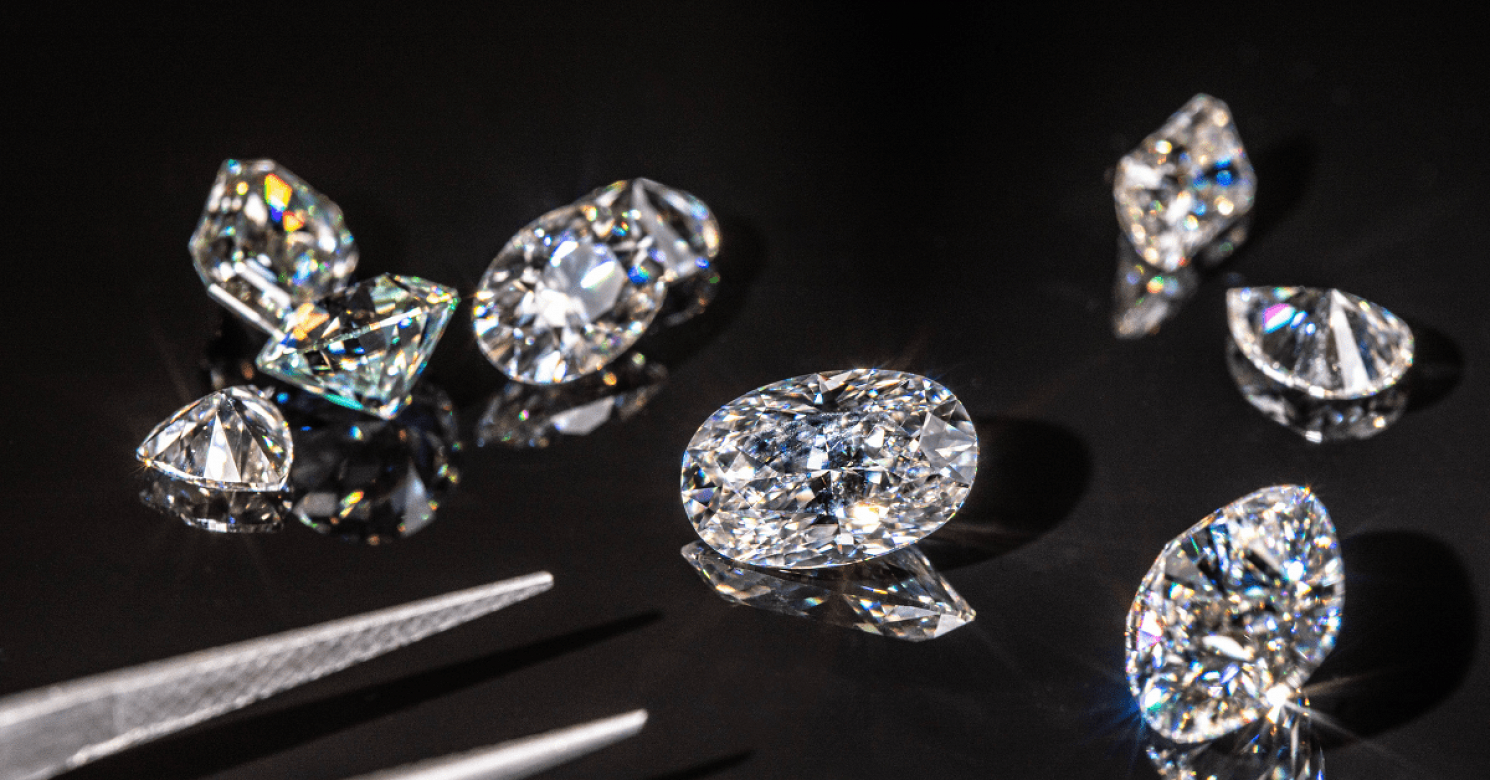
CVD vs HPHT: Understanding the Types of Lab Grown Diamonds
In today’s evolving jewellery landscape, lab grown diamonds have emerged as the go-to choice for those seeking beauty, ethics, and affordability in a single stone. As the popularity of these diamonds increases, so does the curiosity surrounding how they are made. The two primary methods used to create lab grown diamonds are CVD and HPHT. This article explores cvd vs hpht to help you understand the differences, advantages, and which option may be right for you.
What Are Lab Grown Diamonds?
Before comparing cvd vs hpht, it’s important to understand what lab grown diamonds are. These diamonds are real diamonds—identical chemically, physically, and optically to natural ones. The difference lies in their origin. Instead of forming beneath the earth’s crust over billions of years, lab grown diamonds are created in controlled laboratory environments in a matter of weeks. The two methods—CVD (Chemical Vapor Deposition) and HPHT (High Pressure High Temperature)—are the scientific breakthroughs behind this innovation.
CVD: Chemical Vapor Deposition Explained
In the cvd vs hpht comparison, the CVD process is known for its precision and efficiency. This method starts with a diamond seed, usually a thin slice of diamond. The seed is placed in a vacuum chamber filled with carbon-rich gas, such as methane. Using high heat and microwave energy, the carbon atoms separate and begin forming diamond layers over the seed. Many of today’s most advanced lab grown diamonds are created using this CVD method, as it allows for excellent control over the diamond’s structure and clarity.
HPHT: High Pressure High Temperature Method
On the other side of the cvd vs hpht debate is the HPHT process. This technique simulates the natural diamond-forming conditions beneath the earth’s surface. A small diamond seed is placed in a press and subjected to extreme pressure and temperatures exceeding 1,500°C. Carbon is introduced, and the intense environment causes it to crystallize around the seed, forming a diamond. HPHT was the first successful method of creating lab grown diamonds, and it continues to be widely used for certain types of stones, especially when colour enhancement is desired.
CVD vs HPHT: Differences in Diamond Quality
One of the most common questions about cvd vs hpht relates to the quality of the resulting lab grown diamonds. Both methods can produce gem-quality stones, but there are subtle differences. CVD diamonds are often noted for their higher purity and better control over inclusions. They typically have fewer metal impurities, which results in better optical clarity. HPHT diamonds, on the other hand, can sometimes display a yellow or brown tint unless post-growth treatment is applied. However, HPHT can yield diamonds with excellent crystal structure and brilliance.
Colour Differences in CVD vs HPHT Diamonds
When comparing cvd vs hpht, colour is a significant factor to consider. Lab grown diamonds produced via HPHT may sometimes appear slightly tinted due to residual nitrogen or metal inclusions used in the growth process. These diamonds are often treated afterward to enhance their colour to a whiter grade. In contrast, CVD-grown diamonds are typically grown as Type IIa, meaning they lack nitrogen and often have superior whiteness and brightness. This makes CVD a preferred choice for those seeking colourless or near-colourless diamonds.
Inclusions and Clarity in Lab Grown Diamonds
Another major consideration in the cvd vs hpht comparison is clarity. Lab grown diamonds from both processes may contain inclusions, but they differ in type and appearance. HPHT diamonds may have metallic inclusions from the growth chamber, which can sometimes be detected under magnification. CVD diamonds tend to have fewer and more dispersed inclusions, often making them appear cleaner to the naked eye. However, both types can produce high-clarity diamonds depending on the specific conditions and technology used.
Pricing Differences Between CVD and HPHT Diamonds
From a buyer’s perspective, price can play a key role in the cvd vs hpht decision. In general, lab grown diamonds grown using CVD technology are often priced slightly lower due to newer, more cost-effective production methods. However, the difference in price is narrowing as both technologies advance. HPHT diamonds can also be competitively priced, especially in larger sizes or when enhanced for better colour. Ultimately, the price will depend on the diamond’s overall quality rather than just the growth method.
Which Is Better: CVD or HPHT?
There’s no simple answer to cvd vs hpht in terms of superiority—both methods have their advantages. CVD is often praised for creating purer lab grown diamonds with fewer impurities and better control over the diamond’s characteristics. HPHT, however, can be ideal for producing diamonds with excellent brilliance and can be better at creating certain fancy-coloured diamonds. The best choice depends on what characteristics you value most—clarity, colour, price, or size.
Certification and Trust in the Lab Diamond Industry
Whether you’re leaning toward CVD or HPHT, it’s essential to purchase certified lab grown diamonds. Reputable laboratories like IGI and GIA provide certification that outlines the diamond’s quality, including whether it was grown using cvd vs hpht. This certification gives you peace of mind that you’re purchasing a high-quality, ethically produced diamond with verified characteristics. Transparency in sourcing and manufacturing is a big reason why many buyers are choosing lab grown diamonds today.
The Future of Lab Grown Diamonds
The debate of cvd vs hpht reflects the rapid innovation happening in the diamond industry. Both technologies continue to evolve, with manufacturers pushing the limits of quality, size, and production efficiency. As demand for ethical, sustainable, and affordable jewellery increases, lab grown diamonds are becoming a mainstream option for engagement rings, earrings, and other fine jewellery. Whether you choose a CVD or HPHT diamond, you’re investing in the future of conscious luxury.